
31 August 2026•5 min read
Thermal Break Windows: Cutting AC Costs in Saudi Buildings
Practical guidance from Ramz Al Badran's factory in Riyadh on thermal break aluminum — what to specify, what it costs and how it performs in the Saudi climate.
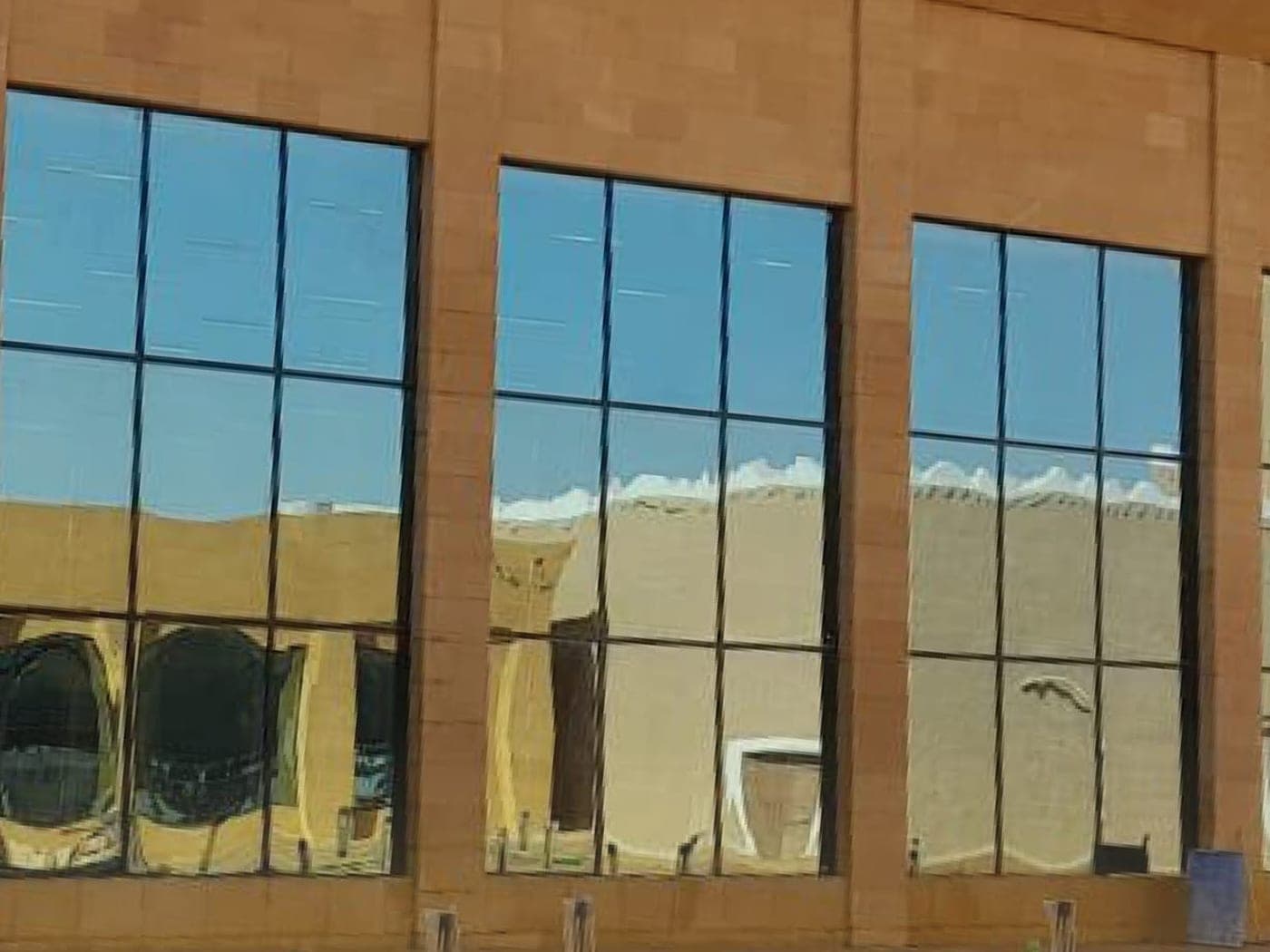
A window frame made of bare aluminum is a thermal shortcut: the metal conducts heat straight through the wall, so the frame of a sun-facing window in Riyadh can get too hot to touch in summer, and cold air from the air conditioner escapes through it the rest of the year. A thermal break fixes this by splitting the frame into an outer and an inner profile, joined by an insulating polyamide barrier that blocks the heat path. For Saudi buildings, where cooling dominates the electricity bill, thermally broken windows are less an upgrade and more a correction of a basic design flaw.
What a Thermal Break Actually Does
Aluminum is an excellent conductor of heat — around 1,000 times better than glass and hundreds of times better than the polyamide strips used to interrupt it. In a thermal break profile, two aluminum extrusions are held apart by polyamide bars 14.8 mm, 24 mm or wider, poured or crimped between them during extrusion. The result is a frame that keeps the structural strength and slim look of aluminum but no longer acts as a heat bridge between outside and inside.
The effect is measurable. A standard aluminum frame has a U-value around 5.5–6.0 W/m²K; a thermally broken frame drops to roughly 2.0–3.5 W/m²K depending on profile width and polyamide size. Combined with double glazing, the whole window can reach a U-value below 2.0 W/m²K — which is what energy codes in hot climates expect from a modern envelope. In practical terms, the inner surface of the frame stays close to room temperature, so the wall beside the window no longer radiates heat at you in summer.
Specifying for the Saudi Climate
The Saudi Building Code's energy efficiency chapter (SBC 601) pushes new villas and commercial buildings toward low U-value envelopes, and windows are the weakest link in most facades. For Riyadh, specify thermally broken profiles on all elevations, and pair them with double glazing in a 6+12+6 or 6+14+6 build-up: two 6 mm panes with a sealed gap, argon-filled, with a low-E coating on the inner face of the outer pane to block solar heat while keeping daylight.
Orientation decides the glass more than the frame. West- and south-facing windows carry the afternoon sun load and benefit from a lower solar heat gain coefficient (SHGC) — a low-E or reflective coating tuned for hot climates. North-facing windows can use a lighter coating to keep natural light. A competent supplier will ask which elevations face the sun before quoting; if they do not, that is a sign to look elsewhere.
What Thermal Break Windows Cost in Saudi Arabia
Expect to pay roughly SAR 450–700 per m² for a thermally broken casement or awning window with double glazing in basic specification, and SAR 700–1,000 per m² for tilt-and-turn windows with premium hardware. The thermal break itself adds about SAR 80–150 per m² over a standard profile; the double glazing and low-E coating add another SAR 200–350 per m² over single glass. On a typical villa with 30–50 m² of glazing, the full upgrade is a meaningful line item — but it is also the one that pays back.
Windows and glazing can account for 30–40 percent of a building's cooling load in a hot climate. Cutting the frame's heat transfer and the glass's solar gain typically reduces that share by a quarter to a third, which on a villa with a SAR 800–1,500 monthly cooling bill means SAR 200–400 saved every month in peak summer. Most owners recover the added cost within two to four summers, and the building is more comfortable for the rest of its life.
Thermal Break vs Standard Aluminum: The Differences
The differences show up in daily life, not just on paper. With a standard frame, the metal around the glass is hot to the touch on a summer afternoon and cold in winter, condensation forms on the inner frame when the AC runs, and dust finds its way past seals that expand and contract with temperature. A thermally broken frame stays near room temperature on both counts, reduces condensation, and — because the profile is stiffer — carries better gaskets that seal tighter against Riyadh's dust.
There is also an energy-code angle: a project documented with thermally broken profiles and double glazing satisfies SBC 601 envelope requirements far more easily, which matters for new builds, additions and commercial fit-outs that need a building permit or energy certification. If you are building or renovating now, the premium for the thermal break is small relative to the cost of retrofitting it later — and retrofitting a window is never cheaper than specifying it correctly the first time.
How to Buy Thermal Insulation Windows in Riyadh
Ask for the profile system by name: a licensed thermal break system from a known brand, not a generic extrusion. Ask the width of the polyamide barrier (14.8 mm and 24 mm are common), the glass build-up, whether the low-E coating faces the right side, and the hardware brand. Then ask to see the factory — a fabricator who runs its own production line can show you the profiles, the glazing line and the QC records, and will quote from surveyed dimensions rather than from a phone call.
Compare quotes on the same specification, because the market in Riyadh has a wide price spread for a reason. An itemized quote should list price per square meter by opening type, glass build-up, hardware, delivery, installation and removal of old windows. And confirm the warranty in writing, including who honors it in five years. Fixed windows are the cheapest per meter and the best for views and daylight; operable ones should go where ventilation is actually needed — a mix that can trim 15–20 percent off the budget.
Thermal Break Aluminum Windows From Ramz Al Badran
Ramz Al Badran manufactures thermally broken aluminum windows at our factory in Riyadh — licensed thermal break profile systems, double glazing with low-E glass, argon filling, powder coating and in-house installation crews. Because we fabricate what we install, the quote is itemized from actual material and labor, and every window is surveyed, fabricated and checked before it reaches your site. That is why villas, offices and commercial projects across Riyadh specify our thermal insulation windows.
Send us your floor plan, opening dimensions and photos, or visit the factory to see the profiles, glass samples and finishes in person. We will return a fixed, itemized price with a fabrication schedule — and the window you approve on paper is the one that gets built, installed and sealed into your building.