
9 September 2026•5 min read
Stick vs Unitized Curtain Wall: Which for Your Project?
Practical guidance from Ramz Al Badran's factory in Riyadh on curtain wall contractors Saudi Arabia — what to specify, what it costs and how it performs in the Saudi climate.
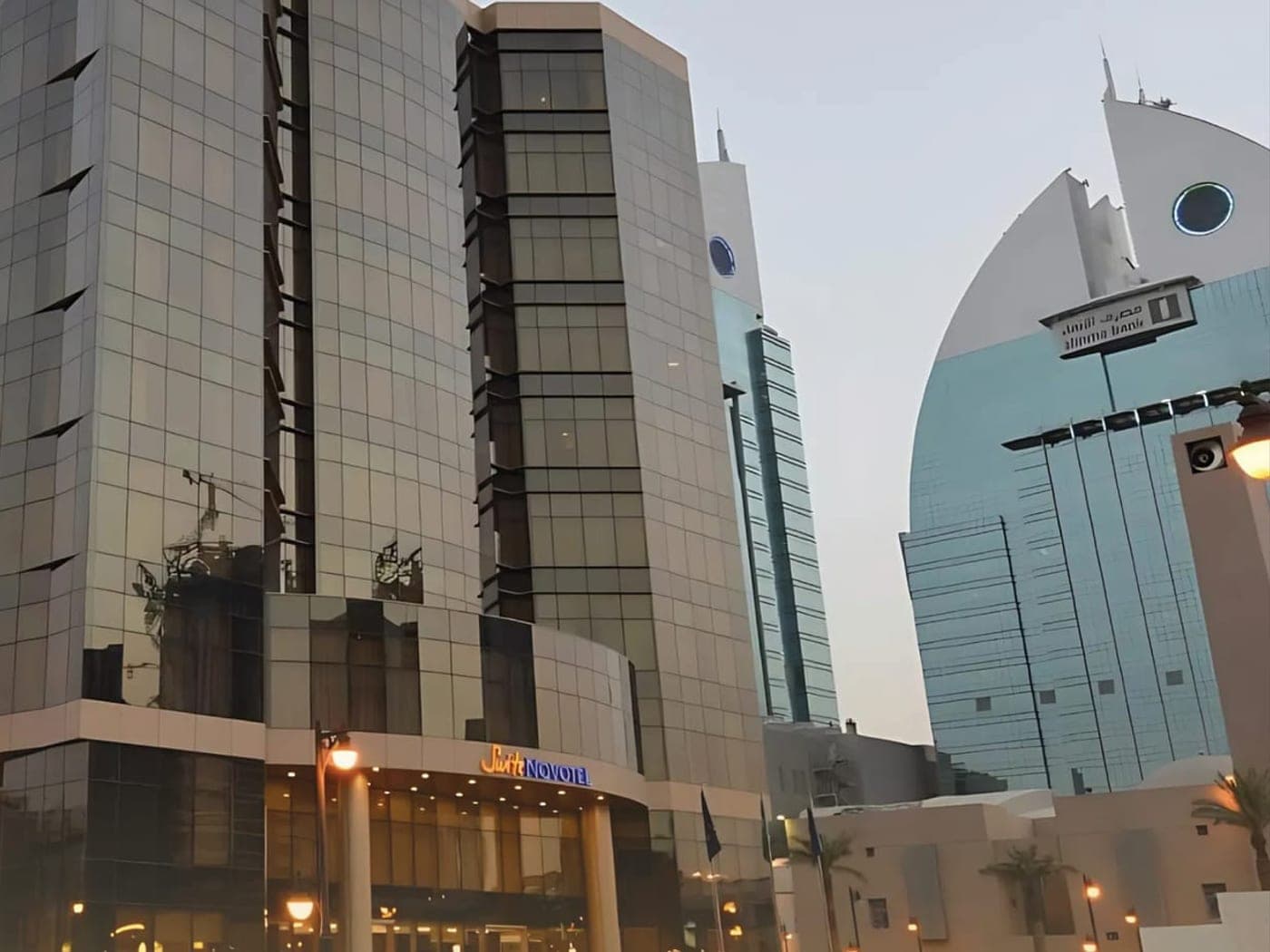
Curtain wall contractors Saudi Arabia hear the same question every week: should the facade be assembled piece by piece on site, or lifted into place as factory-built panels? Both systems wrap a building in the same glass and aluminum skin, yet they differ in fabrication, installation speed, cost structure and long-term performance. This guide compares stick and unitized systems for the Saudi climate — Riyadh sun, dust storms and the wind loads of the central plateau — so you can specify with confidence.
How stick and unitized systems are built
A stick system is fabricated on site: erectors mount aluminum mullions and transoms first, then install glass and infill panels piece by piece. Components are light and tooling simple, keeping the starting cost low and making late design changes easy. Because everything is assembled in the field, joint quality depends on the crew's discipline and the weather on the day — which is why facade companies in Riyadh reserve stick systems mainly for low-rise buildings and complex, non-repeating geometry.
A unitized system moves fabrication indoors. The factory assembles complete panels — frame, glazing, gaskets and sometimes integrated sunshades — and delivers them ready to lift. Panels lock together with interlocking, pressure-equalized, factory-tested joints, so quality is consistent from the first panel to the last. The price of that control is tooling and transport: panels must be crated, trucked and lifted with heavier equipment.
Performance in the Saudi climate
The Saudi climate punishes both systems equally, so the glazing specification matters more than the frame type. Summer radiation pushes west-elevation surface temperatures past 70 degrees Celsius, and the daily swing between hot days and cool desert nights makes every profile expand and contract. Specify thermally broken profiles, low-e double or triple glazing with a shading coefficient matched to the elevation, and gaskets flexible at 50 degrees Celsius — for stick and unitized alike.
Water and dust are the second test. Riyadh rain is rare but torrential, and dust storms drive fine particles into every joint. Unitized panels handle this well because each panel is pressure-tested before it leaves the factory. For stick systems, insist on a two-stage gasketed joint — never a single bead of sealant — and require a full-scale mock-up test before production.
Wind loads on the central plateau are moderate next to coastal cities, but tall Riyadh towers generate strong suction at corners and parapets. Curtain wall contractors Saudi Arabia should provide a wind-load calculation report for your exact height and terrain, with deflection limits — usually span/175 for mullions — under SBC 801, the structural chapter of the Saudi Building Code.
What each system costs in the Saudi market
In the 2026 Riyadh market, a mid-specification stick curtain wall — thermally broken profiles with double glazing — typically lands around SAR 550-850 per square meter installed. A comparable unitized facade runs roughly 10-20 percent higher, or SAR 700-1,100 per square meter, because of tooling, panel fabrication and transport. Budget another 10-15 percent for anchors, gaskets, sealants and flashings in either system.
The higher first cost of unitized systems comes back on site: panels install two to three times faster than stick, shortening the program and returning the building to revenue sooner. Above ten storeys or beyond roughly 10,000 square meters of facade, unitized is usually the lower total cost; below that, stick often wins. The cheapest facade per square meter is rarely the cheapest over twenty years of energy bills and maintenance.
SBC 801, testing and quality control
Facade testing follows international standards referenced by SBC 801: ASTM E283 for air infiltration, E330 for structural performance, E331 for water penetration and AAMA 501 for dynamic water testing. A reputable contractor tests a full-scale mock-up before production and repeats air and water tests on site after installation. Ask for the reports — a verbal assurance is not a test result.
Unitized systems hold an advantage here because panels are identical: one mock-up represents thousands. Stick facades need tighter site quality control — sealant adhesion, joint geometry and anchor torque vary with the crew. If you choose stick, require a written installation quality plan with checkpoints and photo documentation on every floor.
Installation speed and site logistics
A floor of unitized facade on a tower can be closed in two to three days, against a week or more for stick. That speed suits the Saudi construction calendar, where facades are often installed through summer and every extra day of heat and dust exposure is a risk. It also protects tight programs — hotels and commercial towers with handover dates benefit most from curtain wall installation that keeps pace with the structure.
Stick installation is more forgiving on access: a smaller crane or mast climber is enough, which helps on congested sites. The trade-off is more hours at height, more joints sealed in the field and a longer period with the envelope open to the weather. Review crane capacity, hoists and site layout with facade companies in Riyadh before deciding — logistics can settle the argument for you.
How to choose: a practical decision guide
Choose stick for buildings up to five or six storeys, curved or fragmented elevations, phased projects and budgets where initial capital dominates. Choose unitized for towers above ten storeys, repetitive layouts, fast-track programs and buildings where early handover drives revenue. For everything in between, compare total installed cost on your actual drawings, not per-square-meter averages.
Ask three shortlisted curtain wall contractors Saudi Arabia for the same breakdown: fabrication, transport, erection and testing, priced from your drawings rather than a price list. Inspect their completed buildings at a similar height and ask how their teams handle summer installation. The correct system is specific to your project — which is why serious facade contractors quote from drawings, not averages.
Curtain wall supply and installation from Ramz Al Badran
Ramz Al Badran fabricates stick and unitized curtain wall systems in its factory in Riyadh and installs them across Saudi Arabia. Our engineers size framing and glazing to your elevation, the factory produces the profiles and panels, and our crews handle testing, logistics and installation under one contract — one party accountable from the first drawing to the final gasket. As established glass facade contractors in the Kingdom, we provide wind-load calculations, thermal analysis and SBC 801 documentation with a fixed price before fabrication starts.
Send us your architectural drawings for an honest system comparison: if stick is right for your building we will say so, and if unitized will save you money over the life of the project, we will show the numbers. We also advise on glazing selection, sunshade integration and facade maintenance from our base in Riyadh.