
13 October 2026•5 min read
How Saudi Energy Codes Are Driving Thermal Break Demand
Practical guidance from Ramz Al Badran's factory in Riyadh on thermal break aluminum — what to specify, what it costs and how it performs in the Saudi climate.
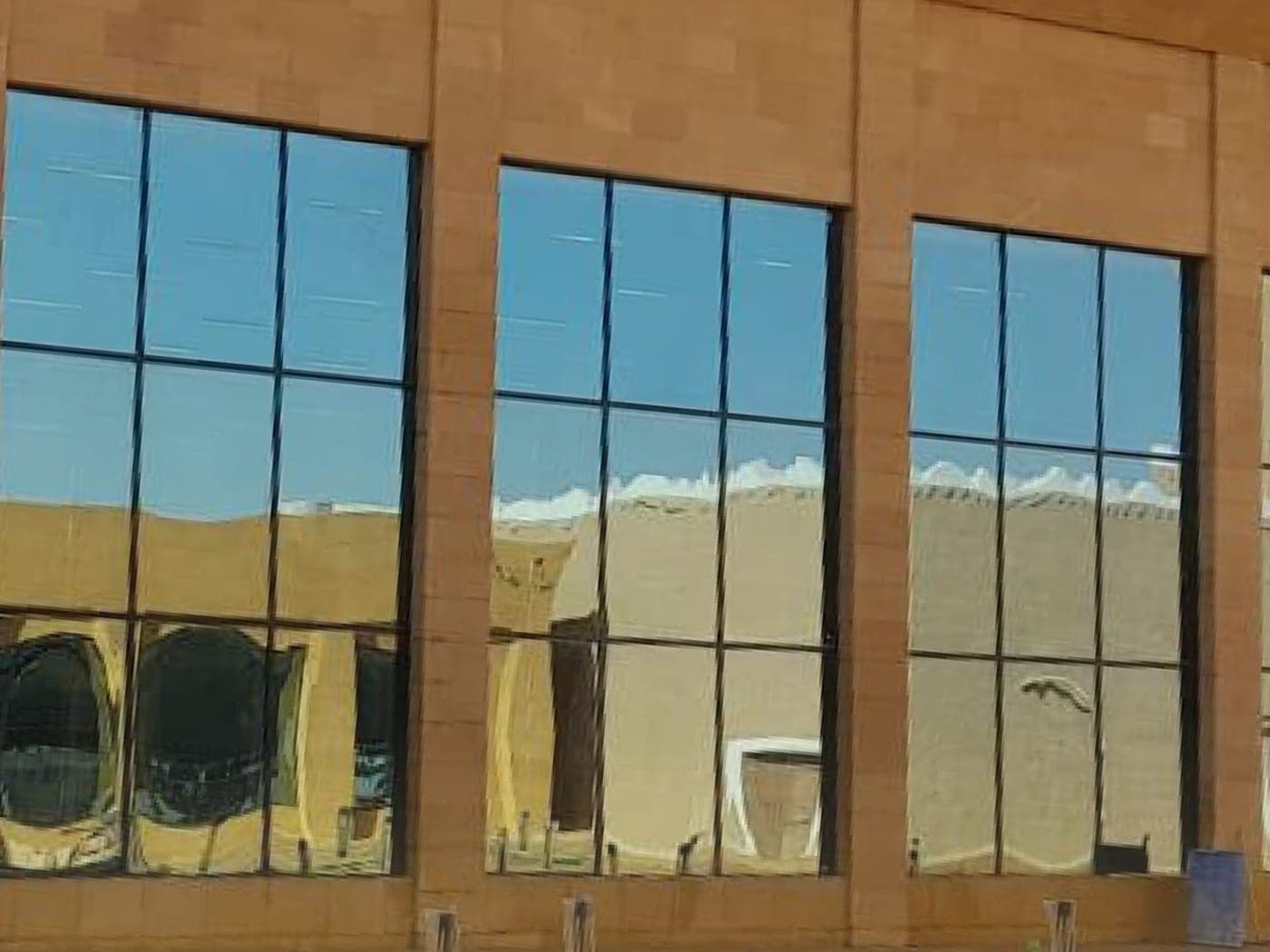
Window specification in Saudi Arabia has stopped being a purely aesthetic decision. With the energy conservation requirements of the Saudi Building Code enforced on new construction and major renovations, and with compliance pushed through design review, the glazed envelope is now judged on how much heat it lets in. In a market where cooling drives most of a building's electricity consumption, the window frame turns energy policy into a monthly bill.
What Saudi Energy Codes Ask of Windows
An energy code does not name a product. It sets a performance target for the building envelope — a maximum thermal transmittance (U-value) and a limit on solar heat gain, expressed as the solar heat gain coefficient (SHGC). The designer then chooses glazing, frame and shading to meet that target on every elevation. The practical consequence for suppliers and clients is that technical submittals now matter: profile system, glazing build-up, spacer and coating have to be documented, not assumed.
The frame is the part most often overlooked. Glass suppliers will quote a low-E double-glazed unit happily enough, but that unit only performs as rated if the frame around it does not short-circuit the insulation. A standard aluminum frame running uninterrupted from the outside face to the inside face hands heat a metal path straight past the glass.
Why Thermal Break Is the Fix
Thermal break aluminum splits each profile into an outer extrusion that faces the weather and an inner extrusion that faces the room, joined only by a low-conductivity polyamide bar. Whether the bar is poured and then debridged, or pre-formed strips are crimped into place, the result is a frame that keeps aluminum's strength, slenderness and finish while interrupting the heat path. In thermal insulation windows this single detail does more for performance than any other frame feature.
Reading the Numbers Before You Buy
Ask any supplier for the U-value of the complete window — frame, glass and spacer together — not of the glass alone. A well-made thermally broken system with double glazing and a low-E coating typically lands between about 2.4 and 3.0 W/m2K, and with argon fill and a warm-edge spacer it can reach roughly 1.8 to 2.2. Standard non-thermal windows usually sit at 5.0 or above. The gap between those figures is the gap between meeting the envelope target and missing it.
SHGC is the second number. In Riyadh a west-facing opening takes punishing afternoon sun, so specifying a lower solar factor on that elevation and a higher one on the shaded north controls heat gain without darkening rooms that do not need it.
Specifying for the Saudi Climate
Saudi conditions test windows in ways a catalogue photograph never shows. Summer surface temperatures, fine airborne dust and sharp day-night swings all attack seals and hardware. For energy efficient windows in Riyadh, the practical specification usually includes double glazing with a low-E or reflective coating, a warm-edge or at least a sound spacer, EPDM gaskets, and multi-point locking where the opening is wide.
Drainage and ventilation matter too. A thermally broken frame still has to shed water and condensation, and in dusty districts the drain paths must be detailed so they do not silt shut. This is where factory detailing, not profile selection alone, decides how the window behaves after a few summers.
What Thermal Break Costs and What It Saves
A thermally broken window is not cheaper than a standard one, and anyone quoting it at parity is probably quoting a non-thermal frame. As a working rule, expect a premium of roughly 20 to 35 percent over an equivalent standard system, with the frame of a double-glazed thermal window commonly priced somewhere between SAR 500 and 900 per square metre depending on glass, finish and hardware.
The saving lands on the electricity bill. With less heat leaking through the cooled envelope, the air conditioner cycles less through the hottest hours and the building holds temperature longer after the compressor stops. On a villa or a mid-size commercial floor that difference is real and recurring; the cleanest way to judge it is to ask the supplier for the U-value against a non-thermal alternative and let the numbers argue the point.
What to Ask Before You Sign
Ask for the licensed profile system by name, the glazing build-up with coating and spacer, the hardware brand and the warranty terms. Ask whether the frame is genuinely thermally broken, because a single extrusion is not, and request a factory visit if the order is significant. Then insist on an itemised quotation that prices glass, frame, hardware, installation and removal of the old windows separately.
Treat an instant price over the phone with caution. Thermal windows are fabricated from dimensions surveyed on site, so a serious quote follows a serious measure. A written scope that names every component is the strongest protection against a frame that looks right and performs poorly.
Code-Compliant Thermal Break Windows From Ramz Al Badran
Ramz Al Badran fabricates thermal break aluminum windows at our factory in Riyadh, using licensed profile systems, double glazing with low-E and argon options, warm-edge spacers and polyester powder coating, installed by in-house crews. Because the survey, the fabrication and the installation all happen under one roof, the performance we quote is the performance we deliver, and the technical submittals consultants need are prepared from real production documents.
If a project in Riyadh is being designed to an energy target, send us the elevations, the glazing target and the opening schedule. We will propose a thermally broken system with the glazing build-up that meets it and return a fixed, itemised price with a fabrication schedule, so the window that satisfies the code is also the window that fits the budget.