
26 August 2026•5 min read
How Curtain Wall Facades Are Installed in Riyadh Towers
Practical guidance from Ramz Al Badran's factory in Riyadh on curtain wall contractors Saudi Arabia — what to specify, what it costs and how it performs in the Saudi climate.
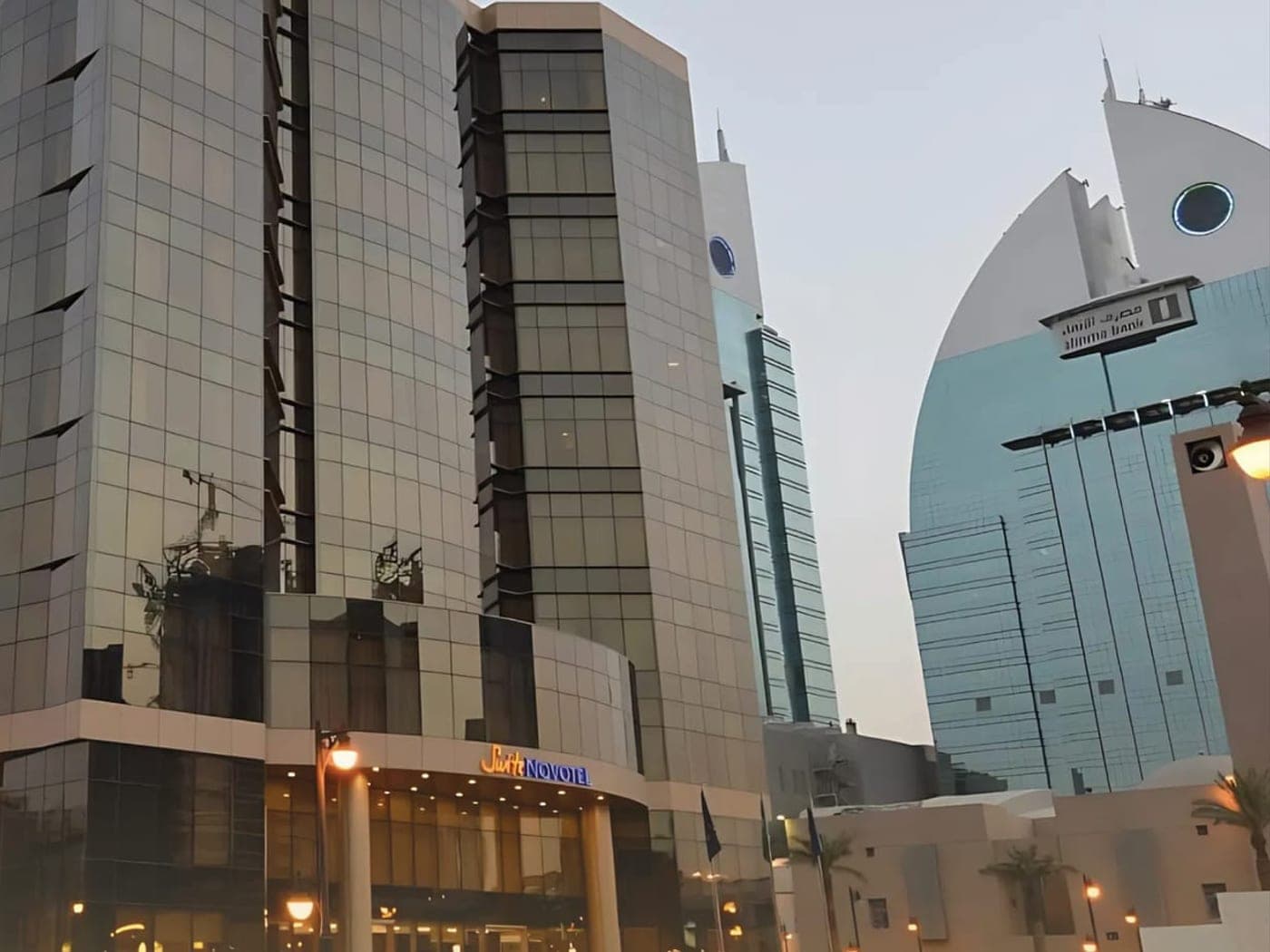
Curtain wall installation on a tower: what actually happens
A curtain wall on a Riyadh tower is not simply bolted on — it is assembled in a precise sequence: setting out, anchor installation, mullion erection, transom fixing, glazing, gasketing and sealing. Each step must be right the first time: once the building is occupied, a failed anchor or leaking joint costs far more to repair than to install correctly. This guide walks through how curtain wall facades are installed on high-rise towers in Riyadh and what to check at every stage.
Installation is where a facade system becomes building performance. The same profiles and glass can produce a watertight, thermally stable envelope or a leaking one, depending on who installs them. For curtain wall contractors Saudi Arabia, the difference shows up in the discipline of the site sequence, not in the brochure.
The installation sequence, from anchors to glazing
Curtain wall installation follows a fixed order. First, the surveyor sets out the anchor positions on the slab edges with a total station, and the anchors are fixed to the structure with torque-controlled bolts. Second, the vertical mullions are plumbed and hung from the anchors, working outward from the building's reference corner. Third, the horizontal transoms are connected and the pressure plates prepared. Fourth, the glass units are set on setting blocks, captured by the pressure plates and finished with gaskets. Finally, the joints are sealed with backing rod and structural silicone, applied within the sealant manufacturer's temperature and humidity limits.
The tolerances are tight and measurable: mullion plumbness within 1.5 mm per story, anchors within ±5 mm of the setting-out line, and glass edges seated evenly on their setting blocks. On a Riyadh tower the sequence is interrupted by weather, logistics and other trades, which is why a written method statement and daily inspection records matter more than crew experience alone.
Stick-built versus unitized on tall towers
For towers above about ten stories, unitized curtain walls are the standard choice in Riyadh. Factory-glazed panels arrive complete, are craned to the working floor and hung on the structure with a simple connection. Quality control happens in the factory, where panels are glazed, sealed and tested under controlled conditions; site work is limited to hoisting, hanging and interlocking the panels, which speeds up the facade program considerably.
Stick-built systems are still used on mid-rise towers, curved or faceted geometries, and projects with limited crane access. The trade-off is site labor: every profile is cut, assembled and glazed at height, so quality depends heavily on the installation crew. A competent facade company in Riyadh recommends the system based on the tower's height, geometry and program, not on which system carries the better margin.
Anchors and wind load transfer
A curtain wall must transfer its own weight and wind loads to the structure at every floor slab. Riyadh's wind speeds are moderate compared with coastal cities, but at tower height the exposure factor still produces strong suction and pressure on the facade, especially at the corners. Anchors are sized for the calculated reactions, and the connections allow for thermal movement: a three-meter mullion expands and contracts several millimeters between winter night and summer afternoon, so connections must allow vertical movement while resisting out-of-plane loads.
The slab-edge interface is part of the installation scope: fire stopping between floors, insulation, vapor barriers and flashings. This is where leaks and thermal bridges appear when installation is rushed, and the area a buyer should inspect most carefully during site visits.
Sealing against Riyadh's dust and heat
Two enemies define curtain wall performance in Riyadh: dust and solar heat. Dust storms load the gaskets and sealant joints, and if the drainage of the glazing rebate is blocked, water and dust find their way inside. On the heat side, dark glass in Riyadh can exceed 70°C in summer, so the thermal break in the aluminum frame must be continuous — any bolt or bracket bridging it creates a thermal bridge and condensation risk inside.
The specification that protects against both: EPDM gaskets rather than basic PVC compounds, structural silicone documented as compatible with the glass coating, open drainage channels in the rebates, and pressure-equalized joints that keep wind-driven rain and dust out while letting the cavity breathe. None of these are visible after installation, which is exactly why they are specified on paper and verified during mock-up testing.
Saudi Building Code and performance testing
The Saudi Building Code requires curtain walls to demonstrate air infiltration, water penetration and structural wind-load performance, with reference to international standards such as AAMA/WDMA and CWCT. On serious tower projects, a full-scale mock-up is built and tested before production starts, so installation problems are found on the test rig rather than on the tower. Budget for it; it is the cheapest insurance the facade budget can buy.
Field testing does not stop at the mock-up. Water spray testing of sample installed areas, per AAMA 503, verifies that the on-site installation matches the tested system, and should be repeated on several floors, especially around corners and at roof or podium transitions. Curtain wall contractors in Saudi Arabia should provide these reports without being asked; if they cannot, treat that as a signal.
What installation adds to the cost
Installation labor typically represents 20 to 30 percent of the square-meter price of a curtain wall, and it is the part of the budget where cheap bids cut corners. As a 2026 reference, installed stick-built curtain walls in Saudi Arabia range from 850 to 1,600 SAR per square meter with double glazing, while unitized systems run from 1,400 to 2,500 SAR per square meter. A unitized crew installs 150 to 250 square meters per day per crane, against 50 to 80 for stick-built — which is why unitized systems dominate tower schedules despite the higher unit price.
When comparing quotes, force every bidder onto the same scope: supply and installation, the same glass and coating specification, the same testing program, and stated installation rates. A low square-meter price with a slow crew and a separate installer is not cheaper; it is just a lower price attached to a longer program and divided responsibility.
Choosing a curtain wall contractor in Saudi Arabia
The questions that separate serious facade companies in Riyadh from traders: Do you fabricate in your own factory? Do you install with in-house crews or subcontractors? Can you show a performance test report for the exact system and glass combination proposed? Which towers in Riyadh can I visit that your team installed? The answers decide whether the facade on the drawing is the facade on the building.
Ramz Al Badran manufactures curtain wall and structural glazing systems at its aluminum factory in Riyadh and installs them with in-house crews across Saudi Arabia. Our engineers prepare shop drawings, coordinate the anchorage with the structure, supervise installation and run the field testing program, so the facade approved on paper is the facade that goes up. Send us your tower drawings and elevation areas, and we will return a fixed price, a test program and an installation schedule — and you are welcome to visit the factory and completed Riyadh projects before you decide.