
22 September 2026•5 min read
Buying Aluminum Direct from a Riyadh Factory: What to Ask
Practical guidance from Ramz Al Badran's factory in Riyadh on aluminum factory Saudi Arabia — what to specify, what it costs and how it performs in the Saudi climate.
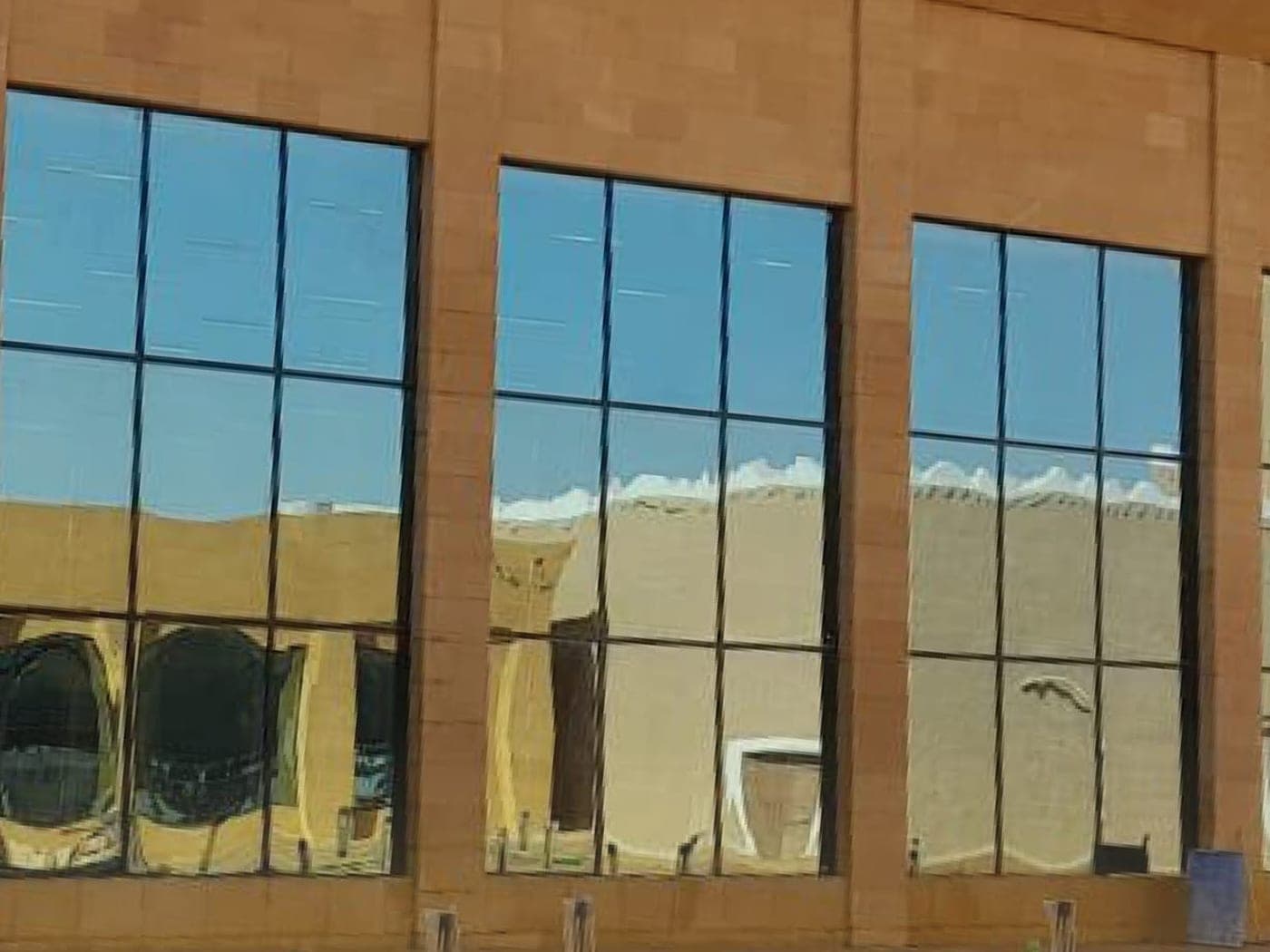
Why Buy Direct from a Fabricating Factory
Every aluminum window, door or glass facade reaches your site through a chain: an extruder, a coater, a fabricator, a trader and an installer. Buying direct from a fabricating factory removes the trader in the middle, which matters for two practical reasons. First, accountability: when a window whistles in a shamal, a door drops on its hinge or a facade weeps during the first winter rain, there is one party answerable for the profile, the coating, the glass and the fixing, not four companies pointing at each other.
Second, specification control. A factory that extrudes or buys its own profiles daily knows which alloy, temper and wall thickness it is shipping, and can cut a special section for your project instead of offering whatever sits on a trader's shelf. When you request a quotation, ask for the material, the system name and the finish in writing.
The Profile System and Wall Thickness
Ask which system the factory fabricates and who extrudes it. Reputable Saudi fabricators work with named systems from local or GCC extruders, and they should be able to name the alloy and temper, usually 6063-T5 or T6 for architectural work. Wall thickness is the next question. Standard commercial frames run around 1.3 to 1.5 mm for light sections and 1.6 to 2.0 mm for main frames and mullions. A heavier wall does more than feel solid: it holds screw threads under wind load and stops hinges and handles from working loose after years of heating and cooling.
For openings wider than about three metres, or for any tall sliding panel, ask how the factory reinforces the mullions and whether it provides steel or aluminum inserts. Ask for wind-load calculations against Saudi Building Code SBC 301, sized for your building height and exposure, because a low-rise villa and a tower on the same street do not carry the same pressure.
Thermal Break, Glazing and the Saudi Climate
In Riyadh, on the coast and in the interior alike, the sun is the largest load on a window. A polyamide thermal break separates the outer and inner aluminum faces and interrupts the heat bridge a plain frame creates. Without it, a frame that is cool inside and hot outside will condense in the short, cold winter and will radiate heat into the room all summer. Specify thermally broken profiles for every habitable room.
Glazing should follow orientation. Ask for the solar heat gain coefficient (SHGC) and the U-value of the proposed build-up, not just the glass thickness. For west and south elevations, a double-glazed unit with a low-E coating, an SHGC around 0.25 to 0.35 and a warm-edge spacer is the sensible baseline; north and shaded openings can take a lighter specification. Safety glazing where glass is low or large must be laminated or toughened to SBC 801, and a laminated inner pane keeps a broken sheet in place instead of dropping it into the room.
Dust is the other Saudi variable. Ask for EPDM gaskets and double brush seals on sliding tracks, and for drainage paths that let wind-driven rain out while keeping sand from packing the channel. Three lines of defence, gasket, seal and drainage, decide how a window performs after two dusty seasons.
Coatings: Powder, Anodised or PVDF
The finish protects the metal and sets the colour, and it is a common place to shave cost invisibly. Powder coating is the workhorse: ask for a minimum film thickness of 60 to 80 microns and a resin rated to AAMA 2603 or better. Anodising is harder and more scratch-resistant; ask for the micron class, typically 15 to 25 microns for exterior work, and check the colour is consistent between batches, since anodised sections cannot be re-matched later.
For coastal projects in Jeddah, Jubail or Dammam, or for any high-profile facade, PVDF (Kynar 500 type) coatings hold colour and gloss far longer under UV and salt spray. Ask for the salt-spray test hours and the coating warranty in years, not adjectives. Request a sample of the production colour, and specify one finish for frames, boxes and trims.
Codes, Testing and Documentation
A serious factory documents its work. Before you order, ask for mill test certificates for the extrusion alloy; coating reports covering film thickness and adhesion; laminated or toughened glass certificates for safety glazing under SBC 801; stamped structural calculations to SBC 301 for wind and uplift; and, for energy compliance, the SBC 601 sheet showing the glazing ratio and values for your envelope.
For curtain wall and large facade systems, ask whether a prototype was tested for air, water and structural performance against AAMA 501 or an equivalent, and ask to see the report, because a facade leaks in the first rain, not at handover when the sun is shining. Finally, ask for shop drawings before fabrication: they are your last cheap chance to catch a wrong dimension.
What Moves the Price per Square Metre
As planning figures for Riyadh in 2026, a basic single-glazed aluminum window sits around 350 to 600 SAR per square metre, a thermally broken double-glazed window or sliding door around 700 to 1,200, and a glazed curtain wall around 900 to 1,600. Treat every range as a budget, not a quotation; the following move the number far more than the shape of the frame.
Glass build-up is the biggest lever; a laminated low-E double unit can double the glazing cost of a single pane. The profile system and wall thickness come next, then the coating (PVDF adds a real premium over standard powder), the hardware brand, and the quantity: a factory amortises setup, cutting and coating over volume, so ten windows cost far more per unit than a hundred. If you compare quotes across Jeddah, Riyadh and Dammam, make sure every supplier is pricing the same glass, the same finish and the same installation scope.
Lead Time, Installation and Warranty
Ask for a written production programme: typically two to four weeks from approved shop drawings for standard windows and doors, longer for facades with imported glass or special profiles. Ask whether the factory surveys the site itself before fabrication, because a factory-measured opening fits better, and ask who installs: the factory's own crews or a subcontractor.
Warranty is where accountability shows. Expect a multi-year guarantee on profiles and finish, a shorter one on moving hardware and seals, and a clear statement of what is excluded. Ask what happens if a unit fails after occupation, whether the factory remakes it or only supplies parts, and keep spare gaskets, rollers and touch-up paint on site, because in a dusty climate these are consumables.
Fabricated and Installed by Ramz Al Badran in Riyadh
Ramz Al Badran fabricates aluminum windows, doors and facades from our own factory in Riyadh, and we supply and install across Saudi Arabia, from Riyadh to Jeddah and Dammam. Because we fabricate rather than trade, the profile, the thermal break, the glazing and the finish are produced and checked under one roof, and our engineers size every system from your drawings, your orientation and the Saudi Building Code, not from a catalogue page.
Bring us your plans, dimensions and photographs and we will return an itemised quotation with a realistic production programme and the documentation you need for approval. You are welcome to walk our factory floor and inspect the profiles, glazing units and finished assemblies before you commit to a single window or a full curtain wall.