
17 September 2026•5 min read
Aluminum Window Profiles: What Riyadh Contractors Specify
Practical guidance from Ramz Al Badran's factory in Riyadh on aluminum windows Saudi Arabia — what to specify, what it costs and how it performs in the Saudi climate.
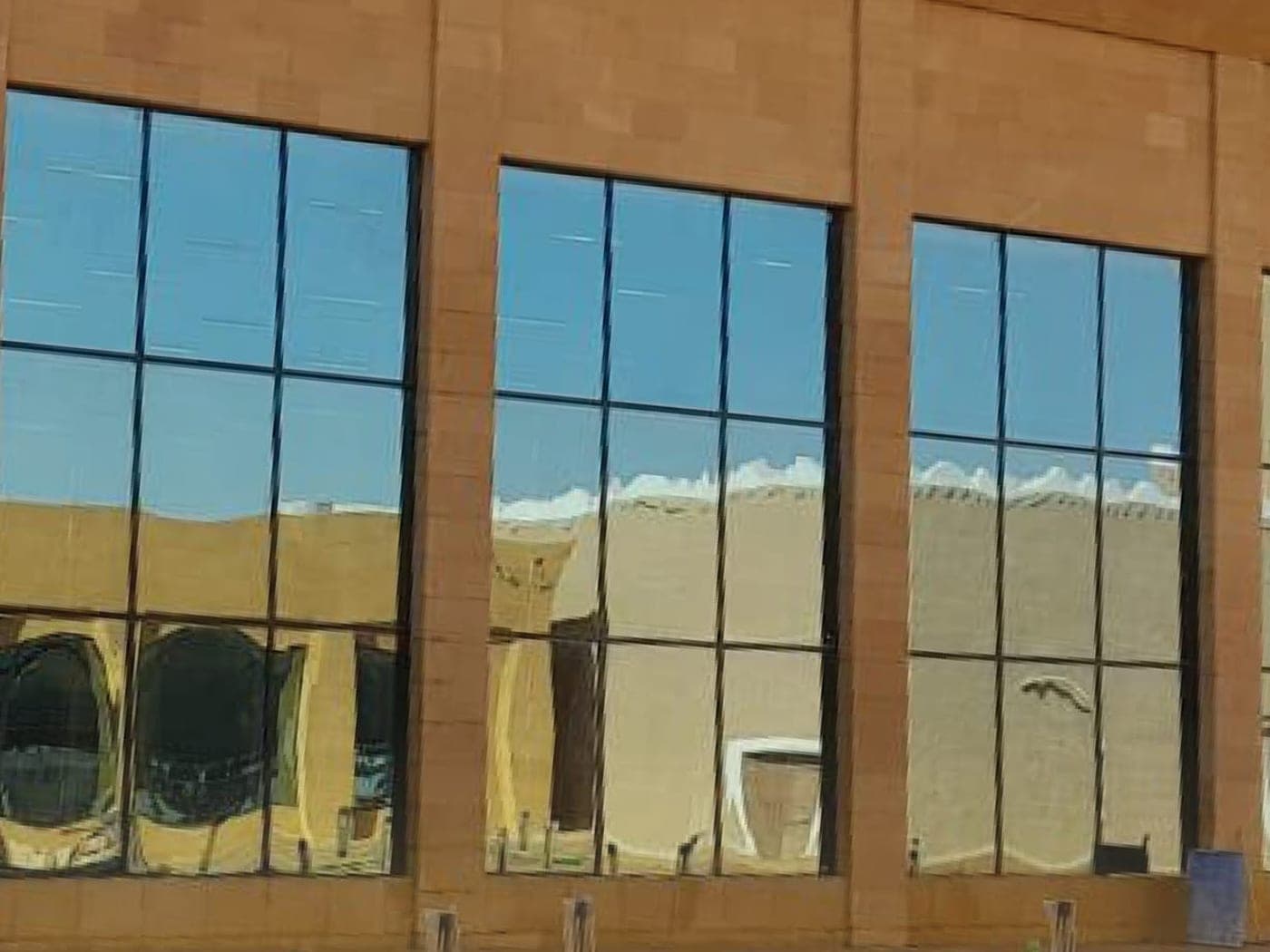
In Riyadh's glazing market the profile system is decided before the glass, the hardware or the price. Contractors specify the profile first because it fixes everything downstream: how thick a glass unit the frame can carry, which hinges and multi-point locks it accepts, how the coating wears under Saudi sun, and what the window costs per square meter. This is a working guide to what Riyadh contractors actually write into aluminum window specifications in 2026, what those choices cost, and how they survive Riyadh's heat, dust and wind.
Profile Systems: Licensed Extrusions or Open Profiles
Most Riyadh contractors specify windows from a licensed extrusion system — a European or regional system with published technical data, tested assemblies and certified hardware compatibility. Systems such as Schuco, Hueck and AluK, or their licensed regional equivalents, dominate high-end villas, hotels and commercial towers. Open profiles, drawn and fabricated to a workshop's own details, still hold the low-rise residential market where price leads.
What matters technically is the same in both: alloy 6063-T5 for frames and 6063-T6 for structural members, a minimum profile wall thickness of 1.2 mm for residential and 1.4 mm for commercial work under SBC 601, and powder coating applied to AAMA 2604 at 60–80 microns. A specification that names those three items is already better than most tenders.
Thermal Break Windows: Standard, Not an Upgrade
On a west elevation in Riyadh, surface temperatures can pass 60 C in summer and a solid aluminum frame simply conducts that heat indoors. A thermal break inserts polyamide strips, usually 24–34 mm wide, between the outer and inner extrusions to cut frame conductivity dramatically. It also lifts the interior frame surface temperature, which is what stops condensation in heavily air-conditioned rooms.
Because SBC 601 caps envelope thermal transmittance, contractors now write thermally broken profiles into the envelope by default rather than offering them as an option. If a quotation does not state the thermal break width, ask for it. Thermal break windows are the most common upgrade specified in Riyadh today, and the one with the clearest payback.
Double Glazing: the Glass Decides the Performance
The frame carries the load; the glass does the work. The Riyadh default is a sealed double-glazed unit — typically 6 mm low-E glass, a 12 mm argon-filled cavity and a second 6 mm pane. The low-E coating reduces solar heat gain while keeping daylight, and the argon fill lowers the U-value further. West-facing elevations often add a tinted or reflective outer pane to control glare.
Safety is code-driven: SBC 301 requires toughened or laminated glass in defined locations such as large panes, low-level glazing and sliding doors. Write that requirement into the glass schedule rather than leaving it to the fabricator, and specify a warm-edge spacer in the sealed unit — it measurably reduces edge condensation.
Riyadh Realities: Dust, UV and Wind Loading
European specifications rarely plan for dust, sand and hard UV. Dust ingress is the complaint villa owners raise most, and the cause is usually a cheap gasket or a slider with no brush seal. A well-specified window uses EPDM gaskets rather than PVC, which hardens and cracks, factory-fitted brush seals on sliding tracks, and a drainage path that releases water without admitting dust.
UV works the other way: an unrated coating fades within two summers on a west face, while AAMA 2604 powder coating holds its colour for years. Wind also matters — SBC 301 sets design wind pressures that vary with height and exposure, and frames must be checked against them, not sized by habit.
What It Costs: Real 2026 Ranges in Riyadh
From fabrication floors in Riyadh in 2026, a powder-coated sliding window in an open profile with single glazing starts around SAR 350–500 per square meter installed. A licensed-system casement or tilt-turn window with a thermal break, double glazing and multi-point locking lands at roughly SAR 650–950 per square meter. Add a motorized external shutter or a large fixed pane with structural glazing and the figure passes SAR 1,100 per square meter.
Window suppliers in Riyadh differ most on the variables hidden inside a square-meter price: glass build-up, coating warranty, hardware brand and whether installation, sealing and cleanup are included. Ask for profile weight per window, glass specification and coating thickness in microns, then compare like for like.
The Specification Checklist
Before you sign, get written answers: which profile system and what wall thickness; what thermal break width; the glass specification including coating, cavity and gas fill; coating standard and warranty; whether gaskets are EPDM and brush seals are included on sliders; whether survey, installation, sealing and cleanup are in the price; and whether the design has been checked against SBC 601 envelope requirements. A quotation that answers these in writing is a specification; one that does not is a guess.
Fabricated in Riyadh by Ramz Al Badran
Ramz Al Badran's factory in Riyadh fabricates aluminum windows from licensed profile systems, with in-house powder coating, EPDM gasketing and double-glazing assembly, so the specification approved on paper is the window delivered to site. Because we fabricate rather than resell, quotes are itemised against actual profiles, glass and labour, and windows are engineered for Saudi wind loading and dust.
Send us your facade drawings or window schedule with the elevations and opening types you need, and we will return a detailed specification and a fixed price for aluminum windows in Riyadh. You are welcome to visit the factory, inspect the profile systems and coating line, and review completed projects before you decide.